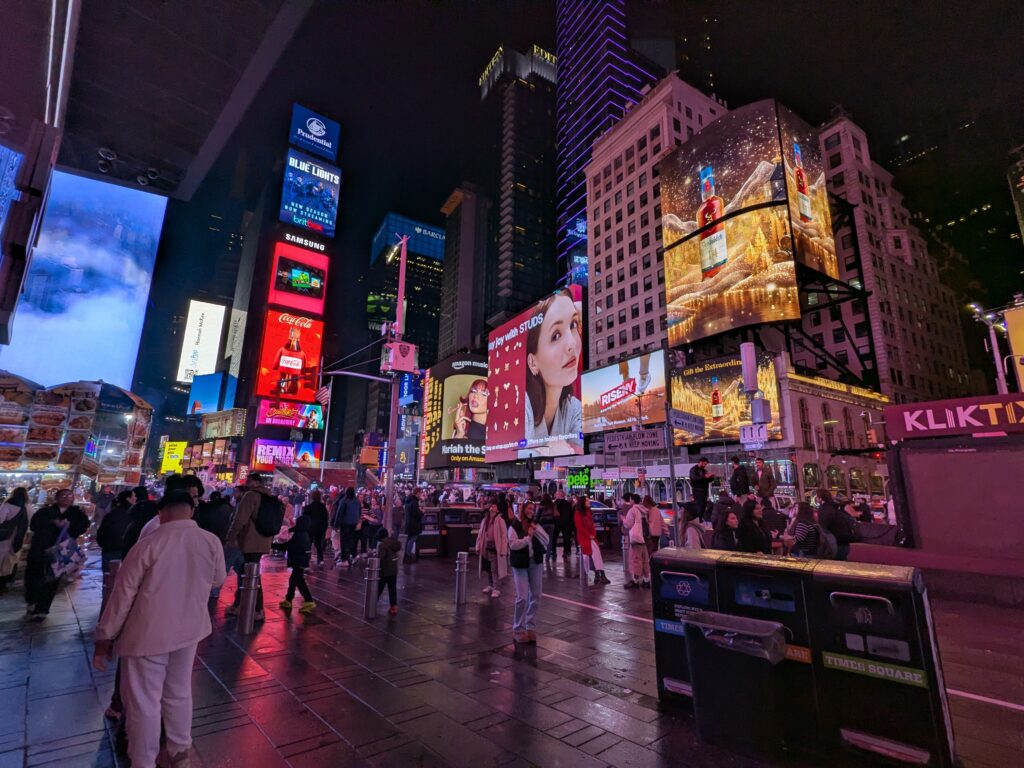
Times Square
The loudest place I have experienced
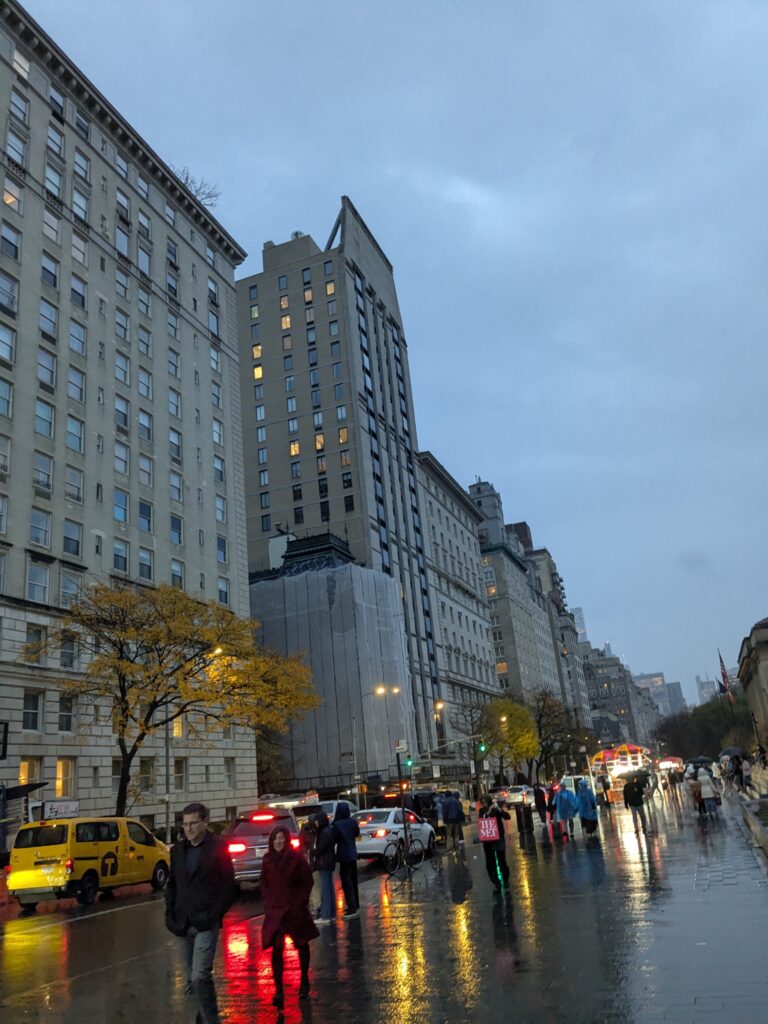
Manhattan’s Upper East Side
A place that is filled with noise
Noise pollution is a topic that is not taken seriously as people assume noise can not be that detrimental to one’s health and well-being, with myself being one of those people. After watching the video about noise pollution for class, it made me realize the actual harms noise pollution brings and the systemic issues about it, as most of the people who are afflicted by it are marginalized communities. Cities, while creating noise in all areas, are structured in ways where people of marginalized identities suffer the most from noise pollution.
The main impact from noise pollution is a higher risk of developing dementia, and worse mental health. One aspect about noise pollution is that it never works alone as it works alongside other difficulties and impediments, which compound on one another to worsen the situation of people. One issue that noise pollution works alongside is sleep deprivation and low sleep quality, as they unite to create higher risk of mental health disorders (Carta et al., 2018). While there is no clear distinction to which comes, yet there is a clear relationship between the two. This interaction is interesting to me as the source of the noise pollution is specified as road traffic, which raises the issue about if different forms of noise pollution have different consequences. There is also a clear distinction about the impact someone’s lifestyle and location plays a role in the impact of noise pollution as an adverse factor (Hematian & Ranjbar, 2021; Carta et al., 2018). This emphasis on location and structure make it clear that the planning of neighborhoods is important in reducing noise pollution within a community, with the lifestyle, and society and culture around them playing an important role in this. The fast and nonstop life of a city are clear contributors to noise pollution as cars constantly passing by make it difficult for someone to have quiet time to themselves. A clear solution to this issue would be creating spaces in which people are away from constant noise, yet the issue arises of where would this be possible and how can it be accessible to the most amount of people, but especially those with constant noise around them.
One major factor that plays into the exposure of noise pollution is someone’s socioeconomic status. The lower a person’s income and wealth is, the higher the risk of being exposed to higher levels of noise pollution is. Poverty having a clear relationship to exposure to noise pollution and even a higher mental health load (Li et al., 2022; Darabi et al., 2023). The harm noise pollution creates extends further than just mental health as constant exposure to loud noises can negatively impact someone’s overall health, especially within people that already have preexisting health conditions (Li et al., 2022). This creates a clear relationship between poverty and socioeconomic status, adverse conditions and noise pollution, with poverty and low socioeconomic status being the center of the issue. Adverse conditions being the product of exposure to noise pollution, and low socioeconomic status and poverty as, with other issues, noise pollution works to amplify the negative effects of poverty. This, again, raises the issue of reducing these issues in a way that is accessible and productive for everyone, but especially those who are most afflicted from these issues, particularly as those in poverty will not have easy access to many resources. Another issue this creates is the creation of new routes or alternatives to the paths of large forms of transportation, such as planes, trains and highways, especially as most of them cut through low-income neighborhoods. This creates a dilemma of how much structural change in cities would be enough to reduce noise pollution and its negative impact on people.
One correlation that I found interesting, yet a bit underwhelming in its result, is the impact of noise pollution on the development of dementia. An interaction that stood out to me was how air pollution seemed to reduce the impact of noise pollution, which seems to go against the idea that noise pollution amplifies other issues (Wu et al., 2025). This interaction would be interesting to investigate more, particularly in what ways they do work together and what other interactions these two have. Investigating the way in which noise pollution works alone is research that I think should be done, if it does at all, as it seems to only amplify other issues. This research can find what issues amplify noise pollution, especially the way in which city structures impact the exposure to it. Finding ways in which large forms and sources of noise pollution can be altered or moved to alleviate its impact is a necessary issue, as it can allow for the impacted people to have lower mental load in their day-to-day life, while also addressing other issues.
Noise pollution is an issue that does not work alone as it amplifies other societal issues to make the consequences even more drastic and worse. While there is not a clear way to completely exterminate, there are a multitude of ways it can be reduced while also addressing other issues it works alongside. This creates an important question, at least to me, of what is stopping these solutions from being created and implemented in the most afflicted areas and locations.
Citations
Carta, M., Preti, A., & Akiskal, H. (2018, February 28). Coping with the new era: Noise and light pollution, Hperactivity and steroid hormones. towards an evolutionary view of bipolar disorders. Clinical Practice and Epidemiology in Mental Health. https://clinical-practice-and-epidemiology-in-mental-health.com/VOLUME/14/PAGE/33/
Darabi, D., Kluge, U., Penka, S., Mundt, A. P., Schouler-Ocak, M., Butler, J., Liu, S., Heinz, A., & Rapp, M. A. (2022, November 5). Environmental stress, minority status, and local poverty: Risk factors for mental health in Berlin’s inner city – european archives of Psychiatry and Clinical Neuroscience. Environmental stress, minority status, and local poverty: risk factors for mental health in Berlin’s inner city. https://link.springer.com/article/10.1007/s00406-022-01508-3
Hematian, H., & Ranjbar, E. (2021). Evaluating urban public spaces from mental health point of view: Comparing pedestrian and car-dominated streets. https://www.sciencedirect.com/science/article/pii/S2214140522002043?via%3Dihub
Li, A., Martino, E., Mansour, A., & Bentley, R. (2022). Environmental Noise Exposure and Mental Health: Evidence From a Population-Based Longitudinal Study. https://www.sciencedirect.com/science/article/pii/S0749379722001568
Wu, Y.-T., Beevers, S., Barratt, B., Brayne, C., Cerin, E., Franklin, R., Houlden, V., Woods, B., Abozied, E. Z., Prina, M., & Matthews, F. (2025). The longitudinal relationships between the built and natural environment, air pollution, noise and dementia: results from two UK-based cohort studies . The longitudinal relationships between the built and natural environment, air pollution, noise and dementia: results from two UK-based cohort studies Author links open overlay panel. https://www.sciencedirect.com/science/article/pii/S0091743525001318?via%3Dihub